

Yohei Nishitsuji / 西辻 陽平
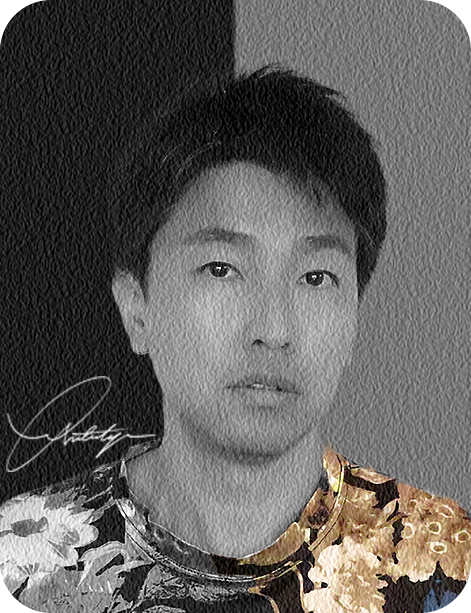
I work on the physics of the Earth and the Moon, on machine learning, and on network science, and I have spent over fifteen years with acoustic and elastic waves. Along the way I kept meeting the same quiet astonishment: fractals — self-similarity — live both in mathematics, in something as plain as a trigonometric function, and in the world itself, in coastlines, leaves, blood vessels, ammonites, and galaxy clusters.
Most of my time has gone to science, and yet the deeper I go, the more I am drawn to what resists logic and rules — the unconscious, reality, the universe itself.
I leave the arguments to the domain of thoughts. Here I would rather borrow mathematics and code, and take the universe on directly.
The question is simple: can the world we perceive be simulated? That is the simulation hypothesis. I pursue it in OpenGL Shading Language (GLSL), writing each piece in as few characters as I can.
Brevity is the point. If a few hundred characters are enough for a sky, then the same machine, given more, could hold something far larger.
Face(s)
Expressive Artist — minimal math art in GLSL
Researcher — wave, moon, AI, game theory
Professional — fusion energy and AI at Sumitomo Corporation(住友商事)
Realm
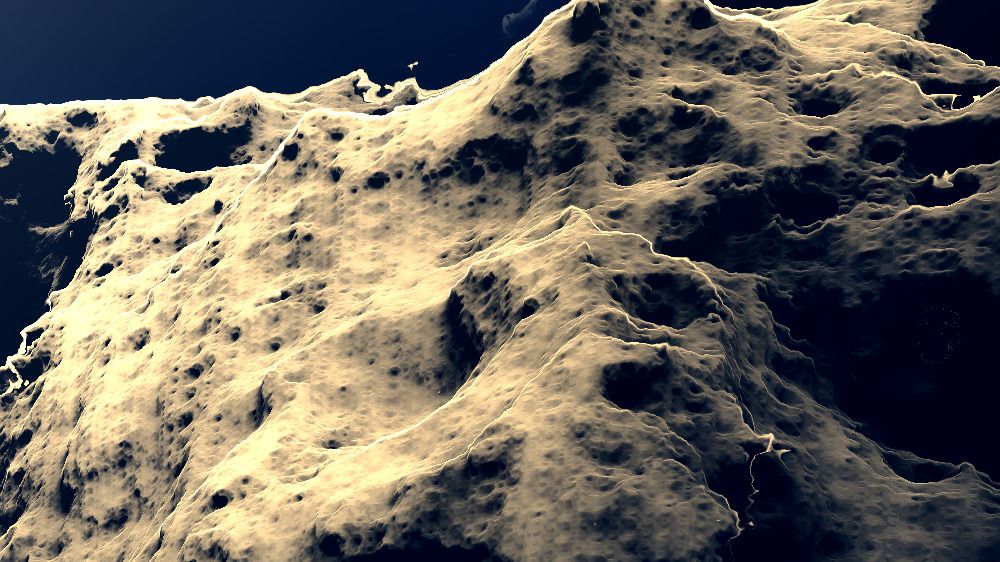 Art2022/12/4 8:372026/8/2 13:09
 Science2022/12/4 8:372025/8/5 19:55
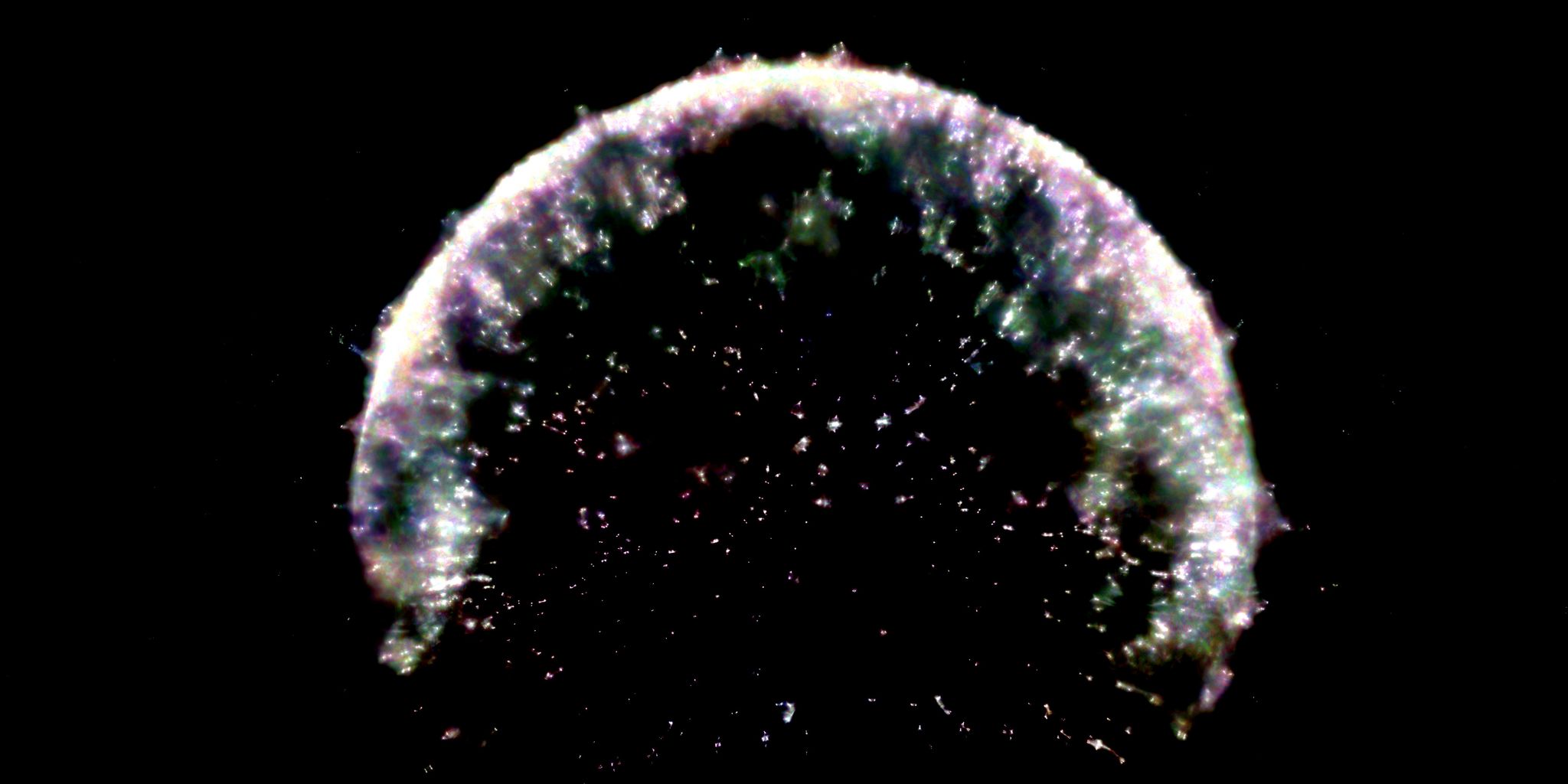 Philosophy2022/10/0 8:592026/8/2 16:12
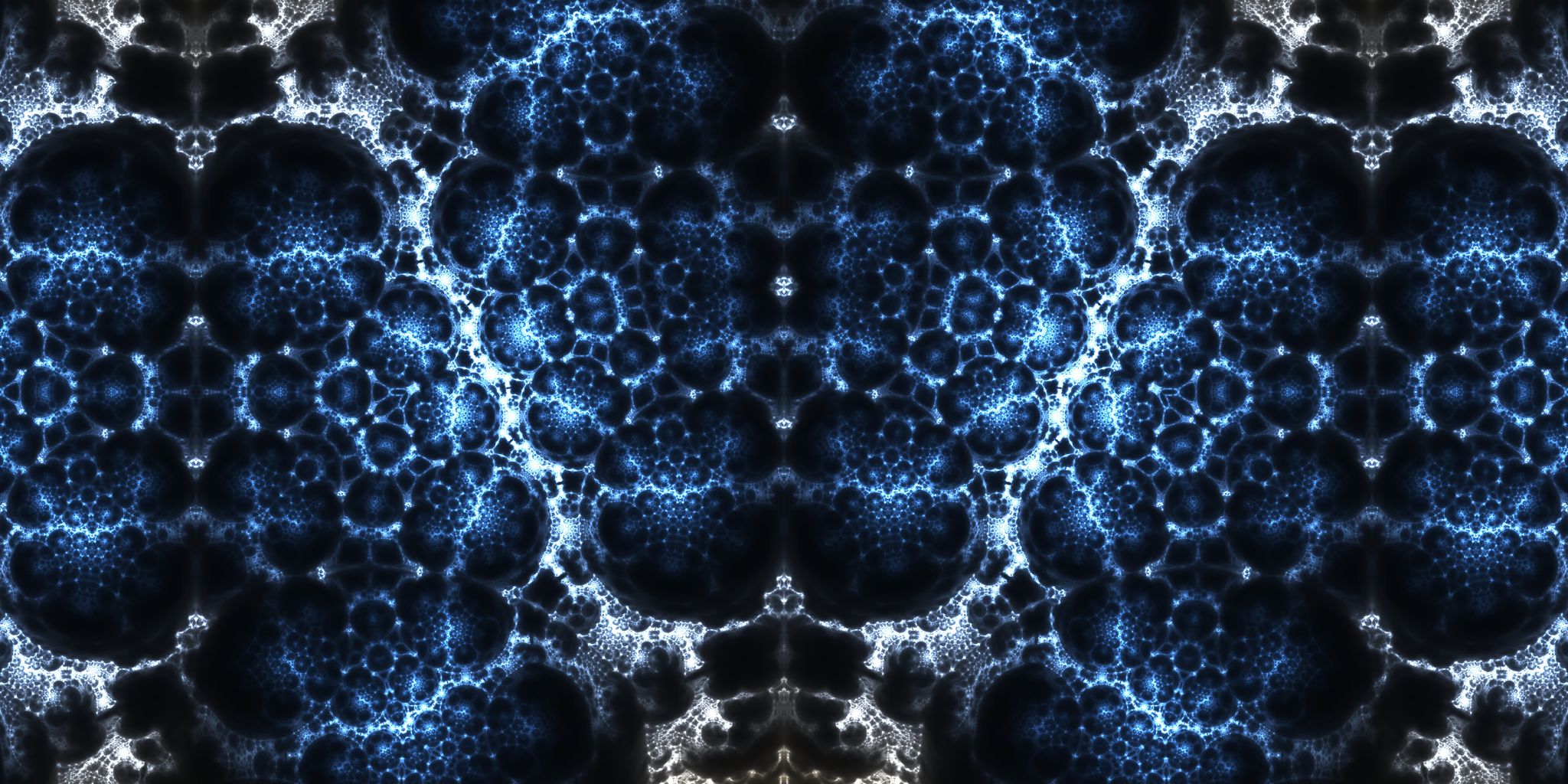 Abhidharma2024/5/0 10:482025/8/0 8:25
 Miscellaneous2022/12/5 20:162023/12/6 20:56
Lead Portfolio of Art
- the simulated reality -clouds-
The clouds you see are 267 characters of code. Link
- the simualted reality -sky-
The sky you see is 280 characters of code. Link
- the simualted reality -ocean-
The ocean you see is 267 characters of code. Link
- macroscopic microscope
The universe and a fungus, indistinguishable, in 265 characters. Link
- electric microscope
An electron microscope, simulated in 267 characters. Link
- the Buddha
- ocean ball
Water, simulated in 265 characters. Link
Media Mentions
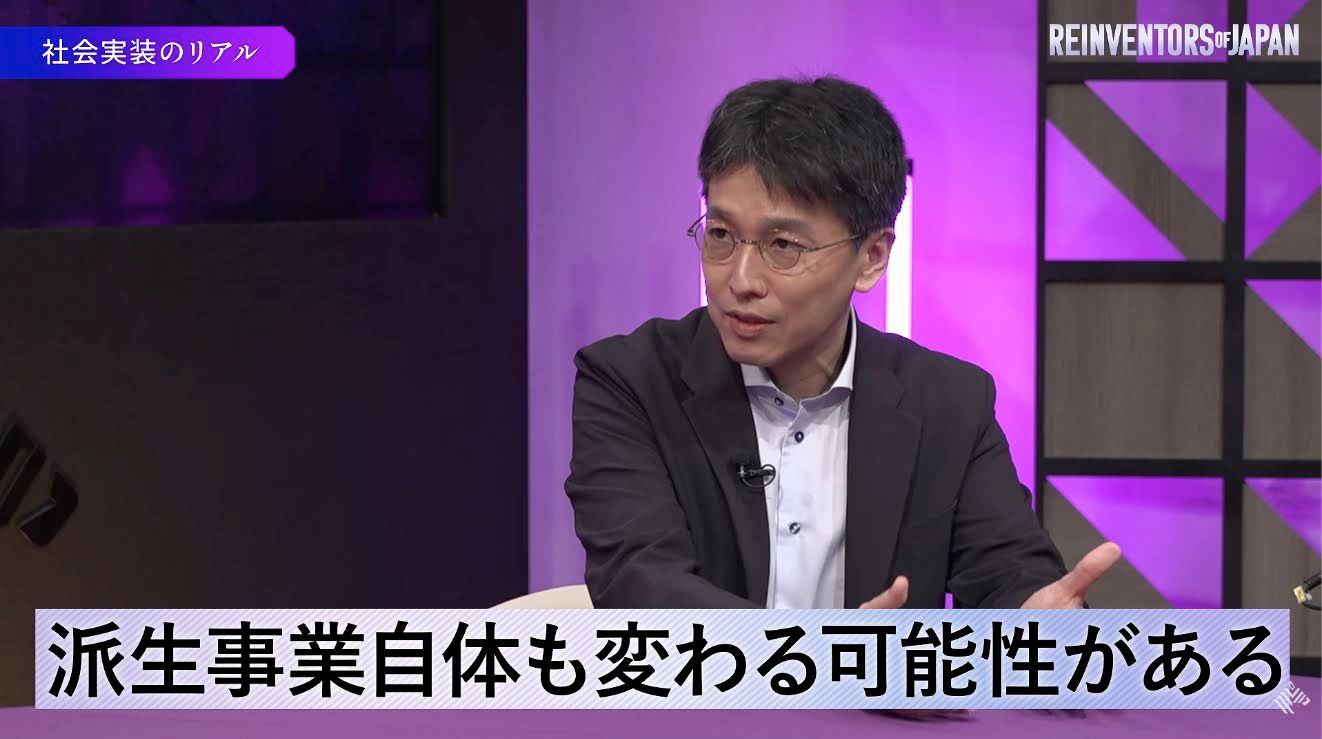
- Reinventors of Japan on NewsPicks (2026) — debating fusion energy at Sumitomo with Shutaro Takeda and Accenture
- CODROPS (2025) — on rendering the simulation hypothesis with fractals and GLSL
- normalize.fm (2023) — on generative art, fractals, and writing shaders
- Wakako Ikejiri’s TOKOWAKA (RKB) (2023) — on lunar and energy businesses at Sumitomo Corporation, with fractal art as a personal pursuit